

Why Does My Bladder Still Feel Full After I Pee?
It can be confusing to finish urinating and still feel bladder pressure, fullness, or the need to go again. Some people worry that this automatically means urine is being trapped in the bladder, but that is not always the case. A bladder that still feels full after...
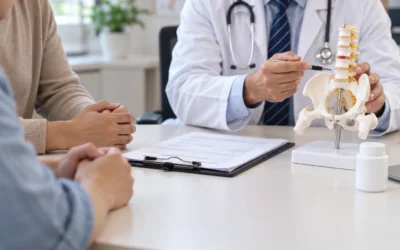
Too Embarrassed to Talk About Bladder Leaks? Here’s When to Get Help
Bladder leakage can feel personal and uncomfortable to discuss. Some people manage around leaks for months or longer because they are unsure whether the symptom is important enough to mention or worry that asking for help will immediately lead to treatment. If you are...

Why Am I Leaking Urine After Prostate Surgery?
Urine leakage after prostate surgery can be frustrating or surprising, especially if bladder control was reliable before the procedure. It is understandable to wonder whether something went wrong or whether the leakage will improve. Urine leakage after prostate...
Why Am I Leaking Urine Suddenly? Common Causes Explained
An unexpected bladder leak can be confusing, especially if you previously felt confident about your bladder control. You may be wondering, “Why am I leaking urine suddenly?” and whether the change means something is wrong. Sudden urine leakage can happen for several...

Why Do I Leak Urine During Exercise?
Urine leakage during a workout can feel frustrating, embarrassing, or simply confusing, especially if exercise is otherwise an important part of your routine. Many people wonder whether leaking during running, jumping, lifting, or other movement means something is...

Urinary Incontinence After Menopause: Is It Normal?
Bladder control can change during perimenopause, menopause, and the years afterward. Many women notice new urine leakage, stronger urinary urgency, or more frequent trips to the bathroom and wonder whether this is simply part of getting older. Urine leakage can become...

Sudden Loss of Bowel Control: When Is It Serious?
Suddenly noticing bowel leakage or realizing you cannot hold a bowel movement as well as you normally do can be upsetting. It is understandable to wonder whether the change means something serious. A sudden loss of bowel control is not always caused by something...

Is Bowel Leakage a Sign of Hemorrhoids?
Bowel leakage can feel embarrassing or concerning, especially when it continues after wiping. Hemorrhoids may contribute to minor bowel or stool leakage, but they are not always the cause. Swelling, irritation, or difficulty cleaning completely may lead to staining or...
What Causes Bowel Leakage? Common Reasons and When to Get Checked
Bowel leakage can feel embarrassing and confusing, especially when it seems to happen unexpectedly or after a bowel movement. Many people worry right away that it means something serious. In many cases, that is not true. Bowel leakage is not always a sign of something...

Are Bladder Leaks a Sign Something Is Wrong? Common Causes Explained
Bladder leaks can be unsettling, especially if they seem to start suddenly or happen in situations that feel hard to explain. Many people worry that urine leakage means something is seriously wrong. In many cases, that is not true. Bladder leaks are not always a sign...
Why Am I Suddenly Leaking Urine? Urge vs Stress Incontinence Explained
If you are asking why am I suddenly leaking urine, you are not alone. Sudden urine leakage can feel upsetting, confusing, and hard to talk about, especially if it seems to come out of nowhere. The good news is that this symptom often follows a pattern, and...

Overactive Bladder Symptoms: Signs, Causes, and Treatment Options
Overactive bladder symptoms can affect much more than bathroom habits. They can interrupt sleep, make errands stressful, and leave people feeling like they always need to know where the nearest restroom is. If you are dealing with urinary urgency, frequent urination,...

What Causes Bowel Leakage? Common Reasons and When to Get Checked
Noticing unexpected bowel leakage can feel upsetting and confusing. Many people are not sure whether a small amount of stool leakage is something minor, whether it relates to hemorrhoids, or whether it means something more serious. The first thing to know is that you...

Can Constipation Make Bladder Problems Worse? Urgency, Pressure, and Frequency Explained
If you are dealing with constipation and also noticing urinary urgency, frequent trips to the bathroom, bladder pressure, or leaks, you may be wondering whether the two are connected. The short answer is yes. In some people, constipation can make bladder symptoms...
What Foods and Drinks Can Irritate the Bladder and Make Leaks Worse?
If you suspect certain foods irritate the bladder, you are not alone. Many people notice that coffee, alcohol, tea, soda, or acidic foods seem to make leaks, urgency, or frequent bathroom trips more noticeable. In many cases, those triggers are not the whole problem,...
Can’t Make It to the Bathroom in Time? What Urinary Urgency Could Mean
If you feel a sudden need to urinate and sometimes cannot make it to the bathroom in time, you may be dealing with urinary urgency. This symptom can feel frustrating, embarrassing, and hard to explain, especially when it seems to come out of nowhere. The good news is...
Is It Normal to Pee When You Cough, Laugh, or Sneeze?
If you have found yourself thinking, “I pee when I cough,” you are not alone. Many people notice urine leakage during everyday actions like coughing, laughing, sneezing, lifting, or even standing up quickly. It can feel embarrassing, but it is also a common symptom...
Why Do I Keep Waking Up to Pee at Night?
If you keep waking up to pee at night, you may be dealing with nocturia. Nocturia is the medical term for waking from sleep one or more times to urinate, and it can happen for several different reasons. For some people, it is occasional and mild. For others, it...
